Research Areas
Electrocatalysis
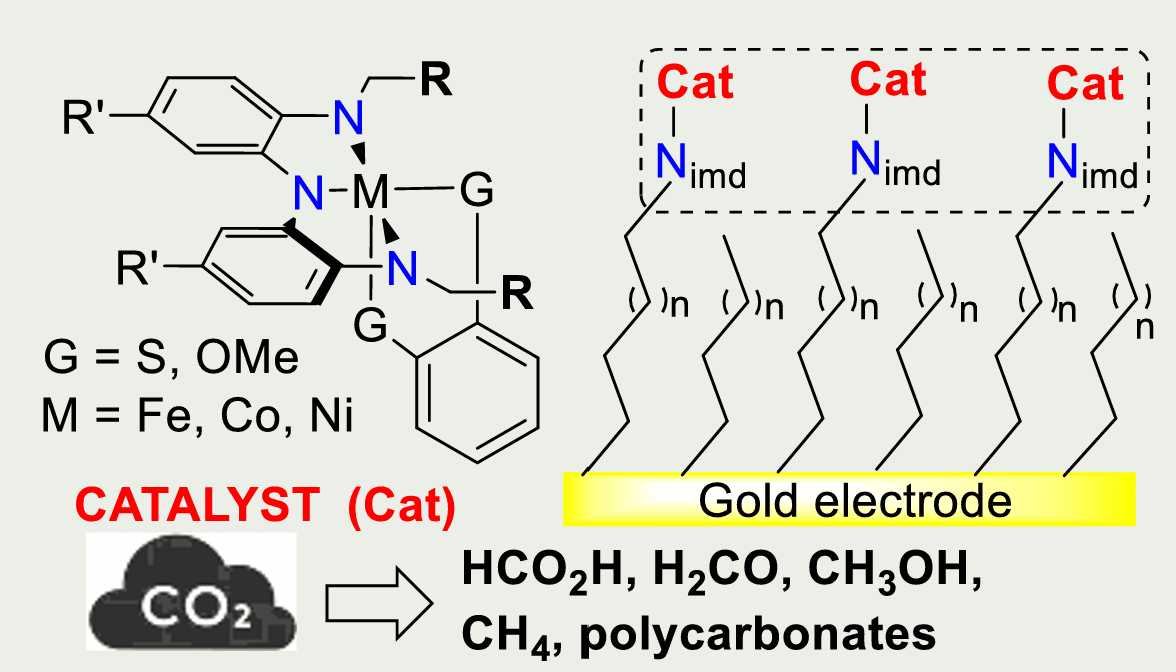
Converting CO₂ into fuel or chemical feedstock compounds (Cₙ products, n≥1) has the potential to significantly reduce climate-changing CO₂ emissions. We will primarily focus on catalytic CO₂ reduction to select C1 products, involving CO, HCO₂H, H₂CO, and CH₃OH.
Learn More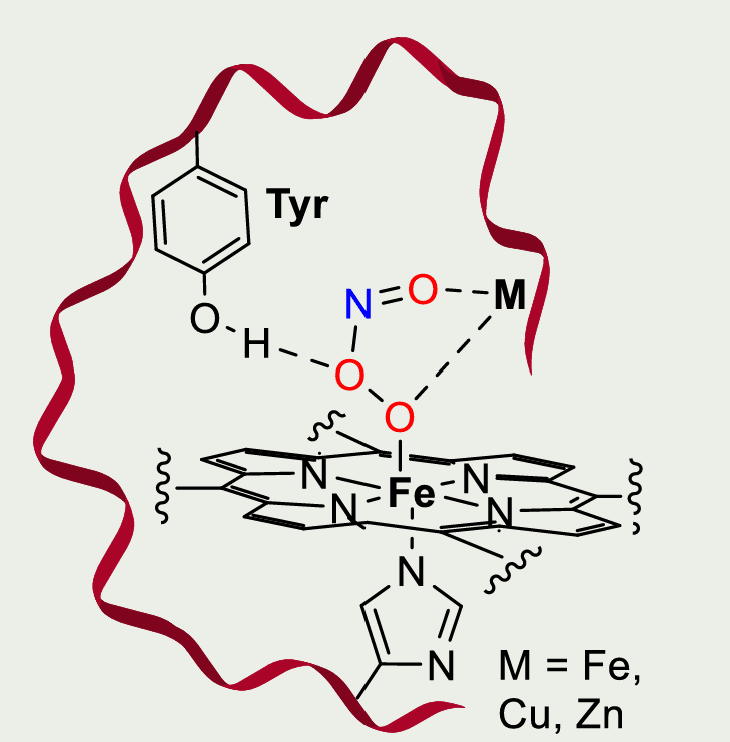
Nitric Oxide-Hydrogen Sulfide Crosstalk at Metal Centers
Our research investigates the fundamental mechanisms governing nitric oxide (NO) and hydrogen sulfide (H₂S) crosstalk at transition-metal centers, with an emphasis on two complementary directions: 1. Metal-Mediated Nitrogen Oxide–Sulfur Chemistry: Investigating Zn- and Cu-mediated transformations of nitrate and nitrite with H₂S, persulfides, and polysulfides to understand the formation, reactivity, and interconversion of reactive sulfur–nitrogen intermediates, including thionitrite (SNO-) and perthionitrite (SSNO-). 2. Redox-Active Ligand-Assisted Nitrogen Oxide Reduction: Exploring unconventional pathways for the reduction of nitric oxide (NO) to nitroxyl (HNO) at Fe- and Co-dinitrosyl centers, with a particular focus on how redox-active ligands regulate electron transfer, protonation, and N–O bond reactivity.
Learn MoreSustainable Energy
Exploring electrocatalytic hydrogen (H₂), water (H₂O), and ammonia (NH₃) oxidation reactions to harness the energy of these green and renewable fuels. Additionally, we investigate the heterogeneous electrocatalytic C−H functionalization reactions of organic substrates with water and ammonia.
Learn More